Protecting a Drinking Water Lifeline: A Community Effort Takes Shape in the Lake Monroe Watershed
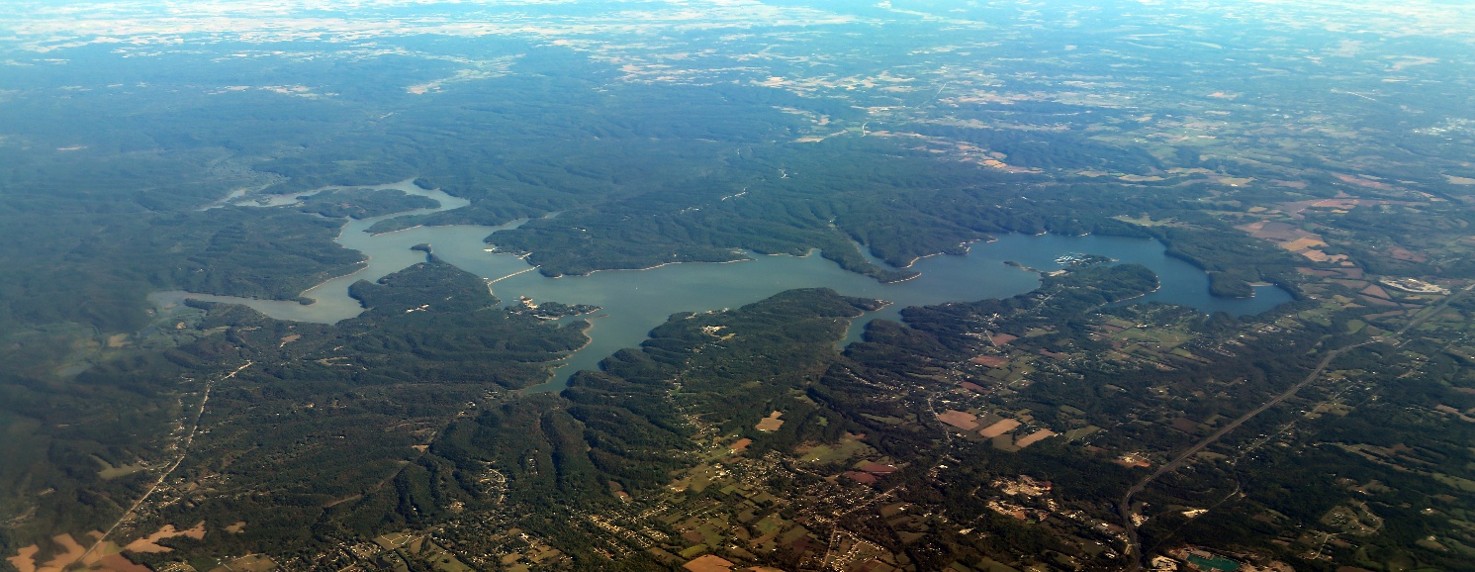
South Central Indiana — For the more than 128,000 people who rely on Lake Monroe for their drinking water, what happens beneath the ground can be just as important as what happens on the surface.
Hidden throughout the Lake Monroe watershed are more than 9,000 septic systems serving homes and properties across the region. When properly maintained, these systems quietly do their job. But when they fail, they can release untreated wastewater into the environment, threatening water quality, public health, and one of Indiana’s most treasured natural resources.
Recognizing this challenge, the Lake Monroe Water Fund has been working to find practical, long-term solutions that protect the lake while helping homeowners overcome one of the biggest obstacles to septic system repair: cost.
Lake Monroe is more than a recreational destination. It is the sole drinking water source for communities throughout the region and sits within a 276,000-acre watershed that supports residents, businesses, and outdoor enthusiasts alike.
Yet aging and failing septic systems pose a significant risk to water quality. Replacing a septic system can cost anywhere from $5,000 to $15,000, a price tag that is simply out of reach for many rural households. As a result, necessary repairs are often delayed, increasing the risk of pollution entering local waterways.
The challenge raised an important question: How can communities protect water quality while making septic system repairs financially accessible for residents?
To answer that question, the Lake Monroe Water Fund partnered with Indiana RCAP in late 2025. Together, the organizations began exploring strategies that could address failing septic systems across the watershed.
Early discussions examined the possibility of creating a regional onsite wastewater management district, an approach allowed under Indiana law that could provide coordinated oversight and management of septic systems. Indiana RCAP shared information on state statutes, connected project leaders with counties already operating similar programs, and provided examples of successful models from other states.
As conversations evolved, community leaders identified another approach that better aligned with local needs: developing a grant and loan program that would help homeowners finance septic system repairs and replacements. Rather than requiring participation across an entire region, the program would focus on residents who need assistance and choose to participate.
Since the beginning of 2026, efforts have focused on turning that vision into reality. The Lake Monroe Water Fund has explored a variety of funding opportunities, including partnerships with private lenders, community foundations, and Indiana’s State Revolving Fund. In April 2026, Indiana RCAP helped facilitate discussions with the Indiana Finance Authority, which administers the State Revolving Fund, to better understand funding availability, application requirements, and long-term program development.
At the same time, Indiana RCAP has continued supporting the project by identifying potential partners and helping coordinate conversations among stakeholders who can play a role in making the program successful.
While funding development remains ongoing, the project is already seeing important signs of progress. Local health departments, county commissioners, and other community leaders have expressed support for the effort, creating a strong foundation for future implementation. Their involvement will be critical as the initiative moves toward policy development, regulatory compliance, outreach, and homeowner engagement.
For Indiana RCAP, helping build these connections is a key part of the process. Successful water quality projects depend on strong local partnerships, and those partnerships are beginning to take shape around a shared goal of protecting Lake Monroe for future generations.
Project partners ultimately hope to replace 100 failing septic systems within the watershed, reducing pollution risks and helping safeguard the region’s drinking water supply. Success could also help decrease the likelihood of waterborne illnesses and harmful algal blooms while improving overall environmental and public health outcomes.
Just as importantly, the effort aims to increase public awareness about septic system maintenance and the role homeowners play in protecting local water resources.
As funding discussions continue and community partnerships strengthen, Indiana RCAP and the Lake Monroe Water Fund remain committed to finding solutions that make clean water protection achievable for both residents and the watershed they call home.