It Pays to Know an Operator - Teamwork in Mulkeytown, IL
by Toby Simpson, IL Senior Rural Development Specialist
In small communities, every dollar matters. When budgets are tight and infrastructure is aging, problem‑solving isn’t a luxury, it’s essential. Essential to preserving taxpayer resources, essential to protecting public health, and essential to keeping systems running long after their intended lifespan. So, when one of our partner communities saw a long‑standing leak suddenly get much worse, it became all hands-on deck.
Mulkeytown, a small low‑income community of roughly 160 services in Southern Illinois, had been grappling with nearly 400,000 gallons of water each month that simply couldn’t be accounted for between what they purchased and what they billed. Illinois Rural Water had conducted leak detection efforts over the winter and found a few small issues, but nothing that explained losses of this magnitude. Then, in January 2026, things escalated: their water provider reported an additional 500,000 gallons of unaccounted‑for water. The leak had grown significantly and quickly.
There were no obvious surface breaks, no flooded streets, and no major pressure drops. On the surface, everything looked normal, except for one number on the master meter that refused to budge. Valuable, treated water was being lost, and the financial strain on a community of only 160 services had climbed past four thousand dollars. With no clear answers, the community prepared to hire a leak detection company at a considerable cost.
That’s when they called Toby Simpson, IL Senior Rural Development Specialist. They asked whether RCAP could digitize their maps more fully, since the leak detection company indicated that having better mapping would save the community about two thousand dollars and a full day of work.
Toby reached out to our Illinois State Manager, James Meece, who then contacted our GIS Manager, David Garretson. Everyone immediately stepped up, ready to help save the community both money and water. Toby feels fortunate to work with people he trusts and can lean on, people who care deeply about our partner communities. And, knowing his own limits, he did what he always does: he called one of the Illinois Operators, Tony Brown.
Toby explained the situation, and Tony immediately began thinking creatively. He suggested there could be a sand or gravel pathway, an old storm line, or something similar carrying the water away from where traditional leak detection methods would find it. Toby appreciated the insight and kept it in mind as he headed out to pick up the maps.
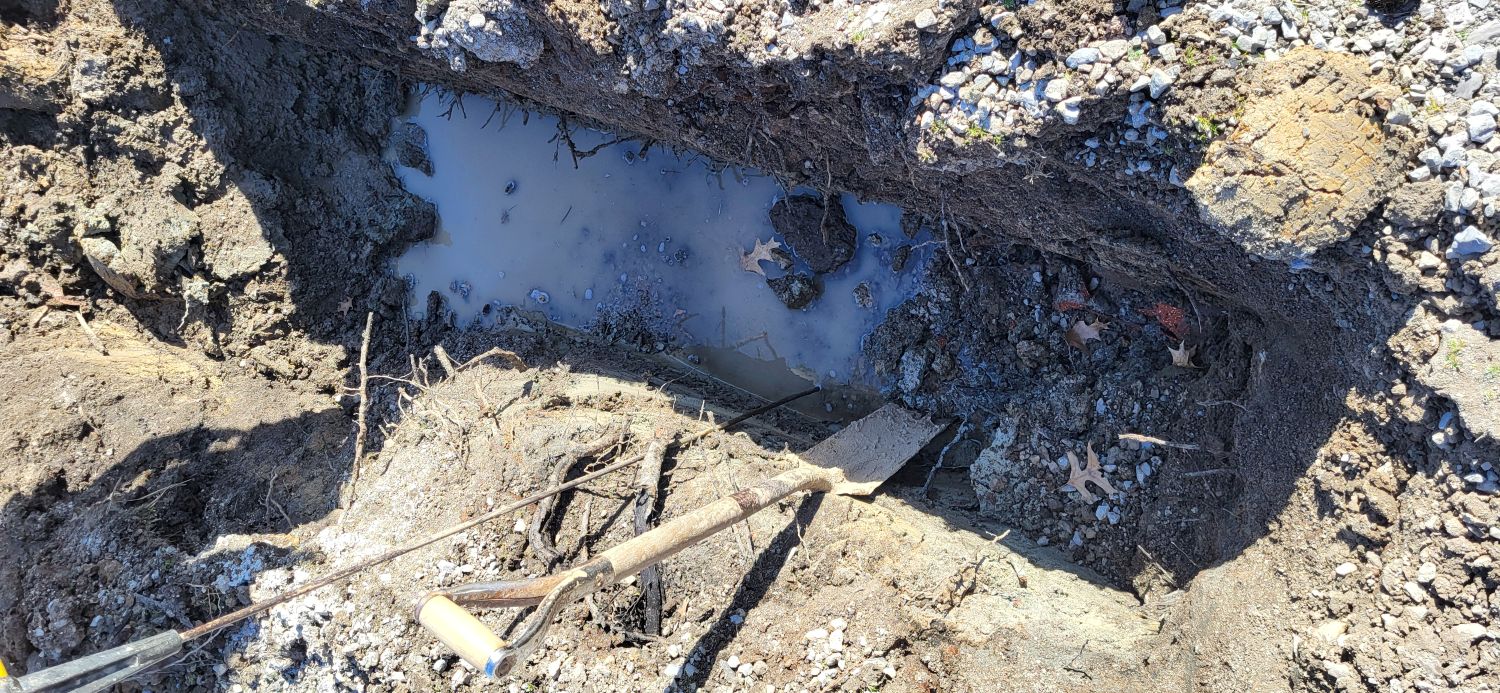
Once on site, the Operator was energized by the new angle, and together we began checking culverts on the outskirts of town, even those beyond the community limits. Sure enough, one culvert far outside of town was running with chlorinated water. From there, they began working valves, tracing the water’s path until they found the leak, and the old clay drain tile that had been carrying the lost water all the way to that culvert and beyond.
The impact was immediate: thousands of gallons of water saved. Thousands of dollars preserved for the community, not to mention the reduced production, treatment, and energy costs. And this outcome wasn’t the result of luck. It was experience, presence, curiosity, and a willingness to question assumptions.
So Tony, thank you. What you did made a meaningful difference for Mulkeytown, and we’re grateful.