Clarksville Pump Station Repair: Turning a Crisis into a Success Story
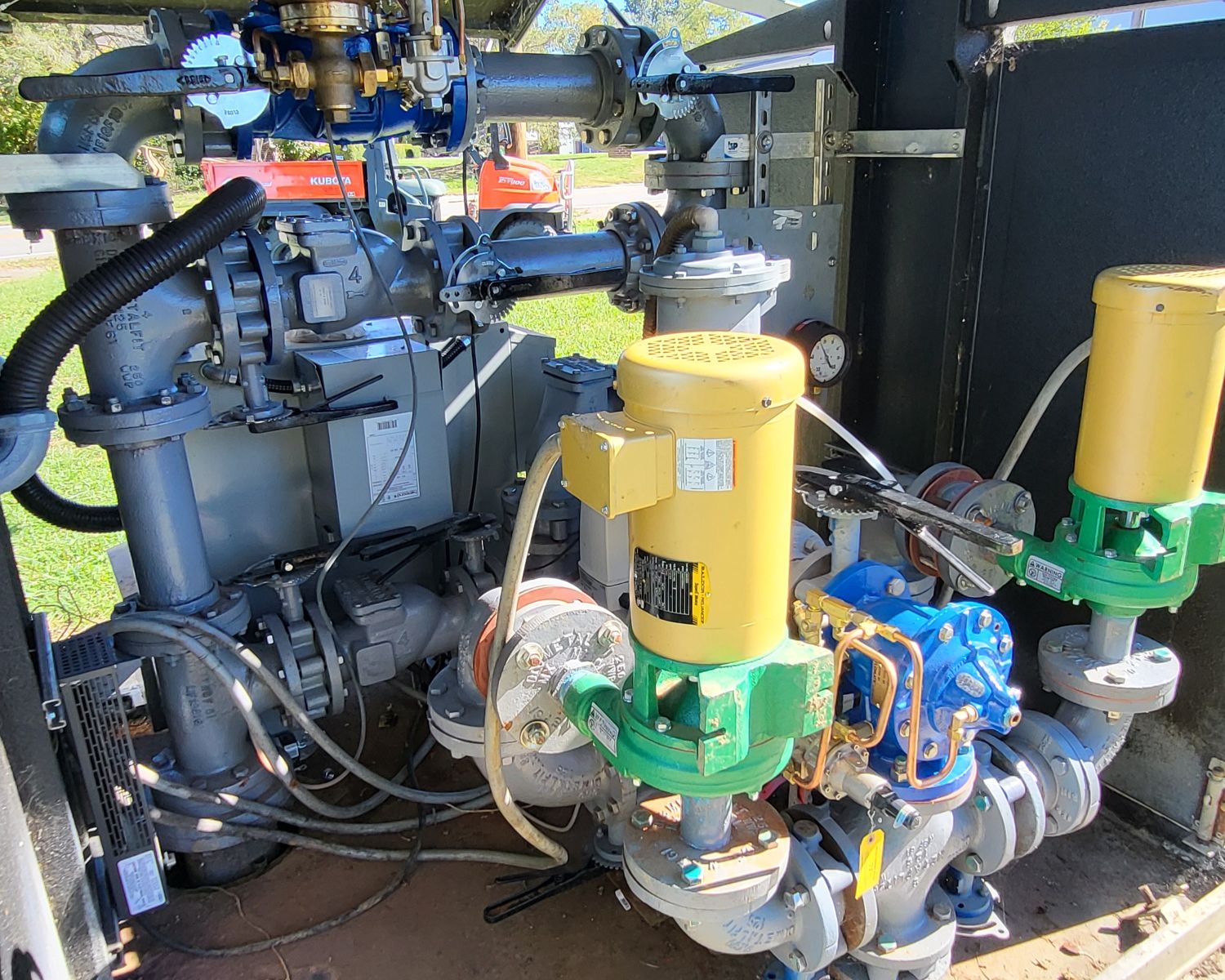
In January 2024, the Village of Clarksville faced a major challenge when its primary booster pump station suffered catastrophic failure. This station is the backbone of Clarksville’s water system; it connects the village to Western Water and regulates pressure throughout the community. When the heater inside the station failed due to a breaker kick, multiple components froze and cracked, including valves, piping, and pressure-regulating equipment. The electrical control panel was also damaged, leaving the system inoperable. Because the station also controls the ground storage tank, the tank was offline for months, creating a serious risk to water reliability and compliance.
The failure triggered an Ohio EPA Notice of Violation, putting the village under pressure to restore service quickly. That’s when collaboration and quick action made all the difference. Through emergency funding from the Ohio Public Works Commission (OPWC), Clarksville secured the resources needed to repair the station. The Great Lakes RCAP team played a key role in helping the village obtain emergency funds, manage disbursements, and navigate the closeout process to ensure compliance and accountability.
Repairs were not simple. The project required replacing damaged components, restoring booster pump functionality, and ensuring the electrical systems were operational. Despite unforeseen delays, the village worked diligently with contractors and regulators to meet Ohio EPA requirements. Several extensions were granted to accommodate these challenges, but the focus never wavered: restoring safe, reliable water service for residents.
On September 26, 2025, the water tower was officially back online, maintaining 60–65 PSI at the hydrant. Booster pumps were operating correctly, and Western Water adjusted its meters to resume normal service. With this milestone, Ohio EPA confirmed that all violations had been resolved, a significant achievement for a small community project.
While modest in scale, the impact was enormous. The repair restored Clarksville’s primary water connection, eliminated regulatory risk, and reinforced public health protections. It also demonstrated the power of partnerships: local leadership, state agencies, and technical assistance providers working together to solve a critical infrastructure problem.
Even small projects can have big consequences. By acting quickly and leveraging emergency resources, Clarksville turned a potential crisis into a success story, one that underscores the importance of collaboration, compliance, and community resilience.